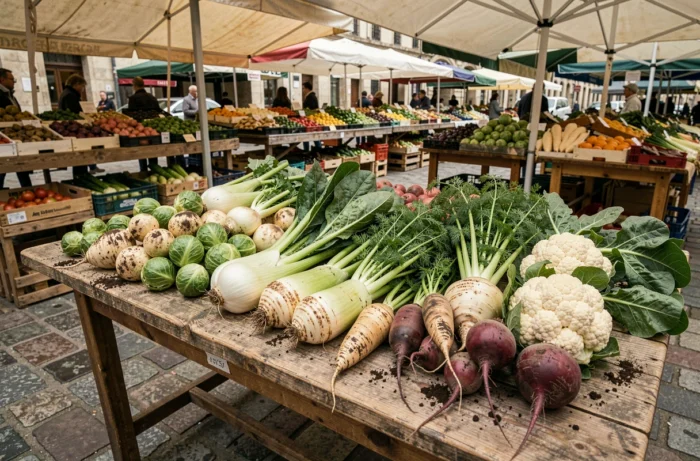
Among the vegetables available at French markets, some face persistent hostility. The rejection is not solely due to flavor: texture, smell during cooking, or a school cafeteria memory can be enough to remove a vegetable from the shopping list for years. This ranking includes ten vegetables that the French most often exclude from their plates, from the least liked to the most controversial.
The observation goes beyond mere anecdote. According to data from Santé publique France, only about 13% of adults reach the benchmark of five fruits and vegetables per day. Among children, the proportion drops to 9%. The declared dislike for certain vegetables translates concretely into plates that are too poor in plant-based foods.
1. Turnip
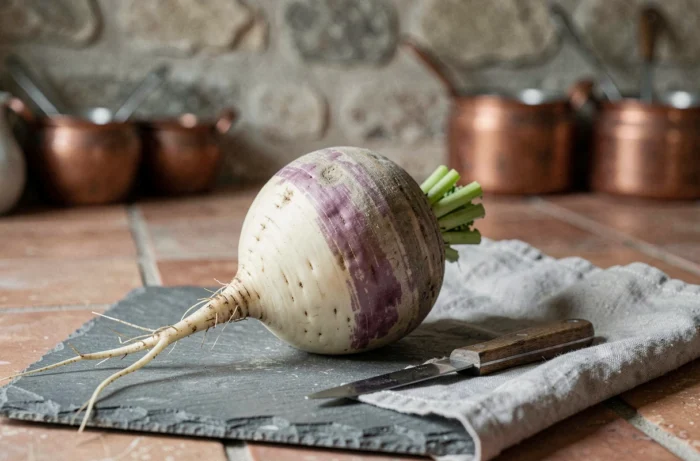
The turnip regularly occupies the top spot among vegetables rejected by the French. Its slightly bitter and pungent flavor deters from childhood, and the floury texture it takes on when overcooked doesn’t help.
In pot-au-feu or mashed, it remains confined to a background role that many simply prefer to eliminate. The turnip also suffers from an image of an old-fashioned vegetable, associated with post-war food restrictions. Yet, it contains glucosinolates, sulfur compounds studied for their protective properties.
2. Brussels Sprouts
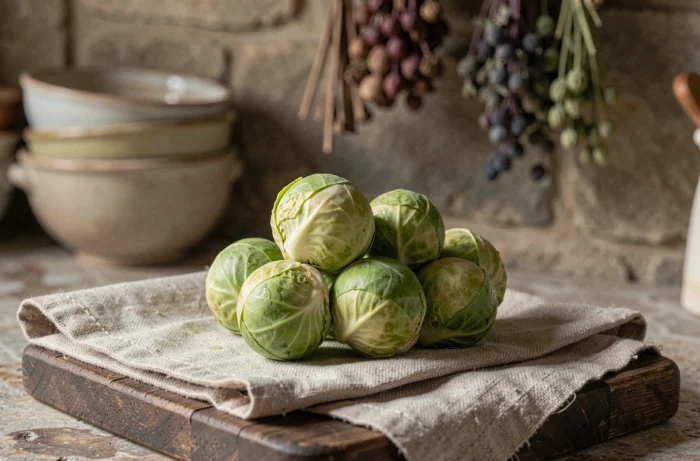
Brussels sprouts crystallize the worst memories of cafeteria food. Their sulfurous smell during cooking fills the kitchen, and their soft texture after a prolonged stay in boiling water has marked generations.
Roasted in the oven with a drizzle of olive oil, they develop a nutty flavor that bears no resemblance to the boiled version. This high-temperature cooking technique remains unknown, which perpetuates the rejection. When exploring the least liked foods by the French, this little cabbage consistently appears in the top rankings.
3. Endive
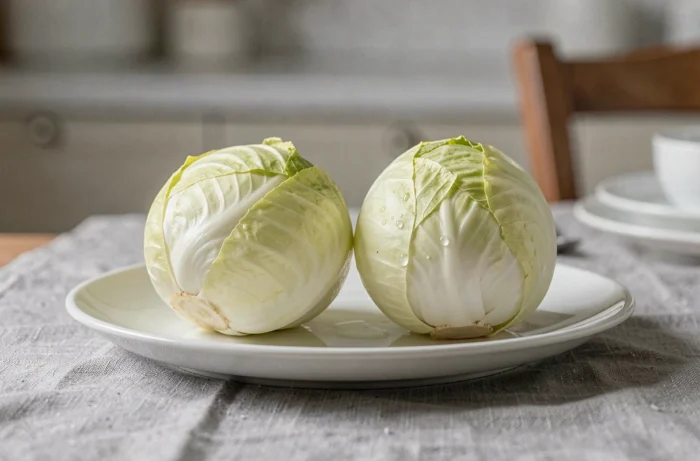
The bitterness of endive is clearly divisive. Raw in salad, it provides a pleasant crunch, but many find its bitter aftertaste too pronounced for regular consumption.
Braised with ham and topped with béchamel, it gains in sweetness. This dish remains a classic in northern France, but consumers from other regions often shun it. Endive also has the drawback of browning quickly once cut, giving it an unappealing appearance in supermarkets.
4. Spinach
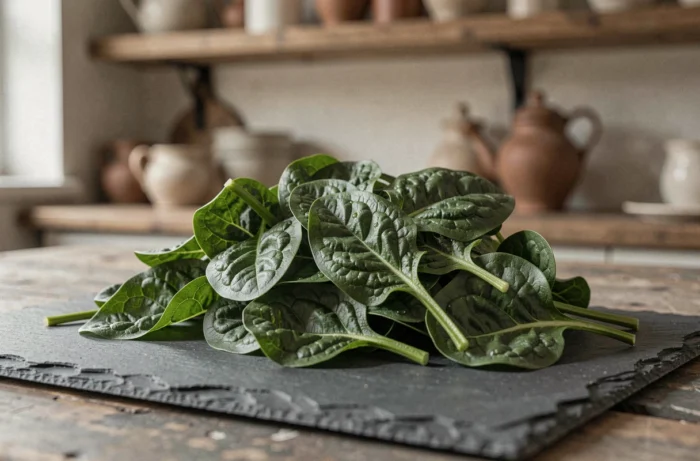
Spinach carries a reputation for being bland and slimy. The frozen block version, reheated without seasoning, has long tarnished its image among both children and adults.
Quickly sautéed with garlic or added raw to a salad, it presents a whole different face. The cooking method radically changes the perception of this vegetable: just a few minutes are enough to transform it into a firm and flavorful side dish.
5. Fennel
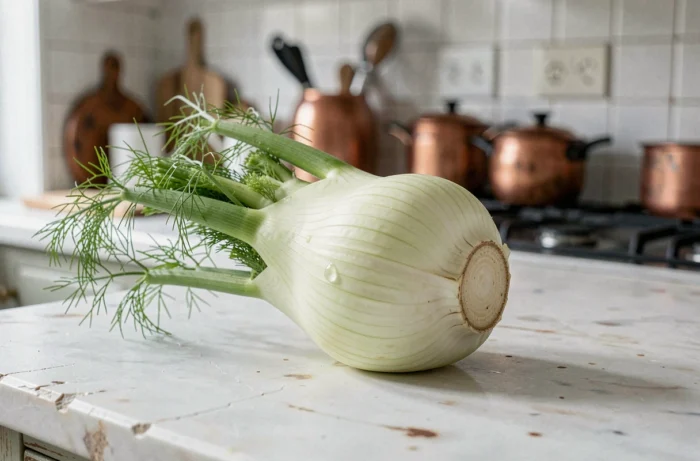
Fennel confuses with its aniseed flavor, which is very divisive. Licorice lovers adore it, while others categorically avoid it. There is no middle ground with this vegetable.
Raw and finely sliced, it loses some of its aromatic power and gains in freshness. Baked, it caramelizes and develops an unexpected sweetness. The main problem remains that many consumers do not know how to prepare it and leave it on the shelf.
6. Celeriac
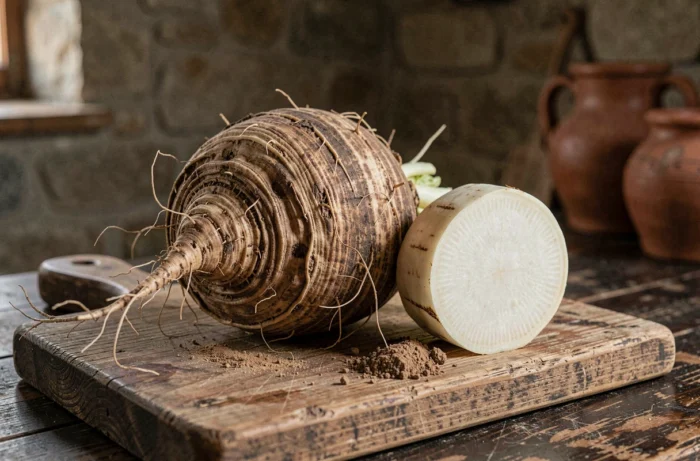
Celeriac has two handicaps: an uninviting exterior and a earthy taste that does not please everyone. Its rough and knobby skin discourages peeling.
In remoulade, it remains a classic French starter, but this preparation is not enough to rehabilitate it. Finely grated and seasoned with mustard, it offers an interesting crunch. Mashed with potatoes, it softens enough to convince some skeptics.
7. Jerusalem Artichoke
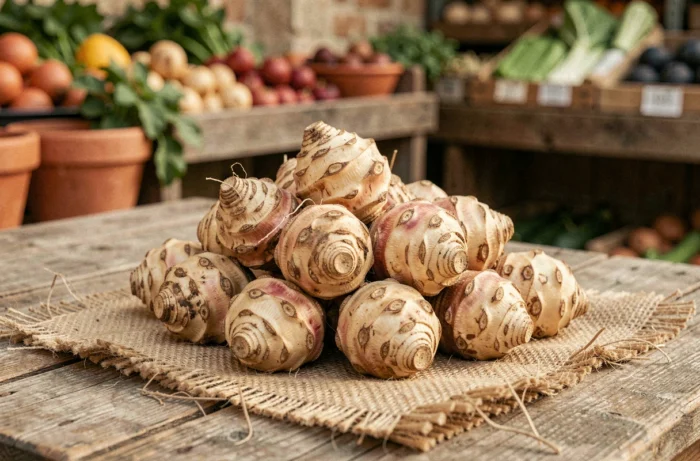
The Jerusalem artichoke suffers from a double problem. Its nickname “Jerusalem artichoke” means nothing to anyone, and its reputation as a wartime vegetable sticks to it. The inulin it contains causes well-known digestive discomfort, which deters the more curious.
Its sweet flavor, reminiscent of artichoke, deserves a detour. Roasted in thin slices, it develops a golden and melting crust. The Jerusalem artichoke is making a discreet comeback on restaurant menus, but it remains absent from most home kitchens.
8. Salsify
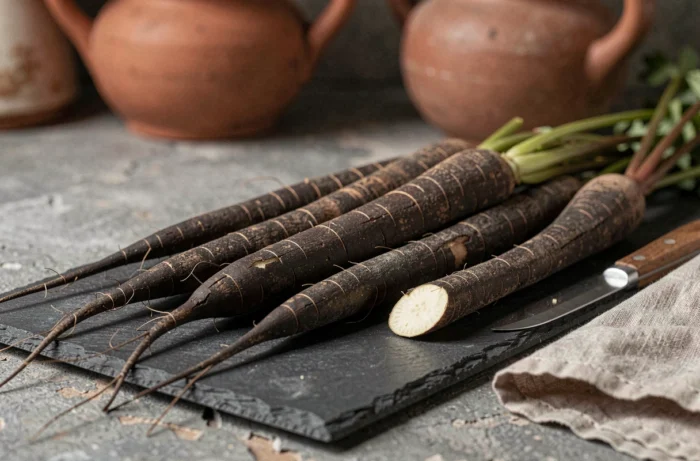
Canned salsify, soaking in a whitish juice, constitutes the most repulsive culinary memory for many French people. Its stringy texture and unappetizing appearance make it an almost invisible vegetable in supermarkets.
Fresh and sautéed in butter, it reveals sweet notes and tender flesh. The problem: finding it fresh is like an obstacle course, and peeling it produces a sticky latex that complicates preparation.
9. Beetroot
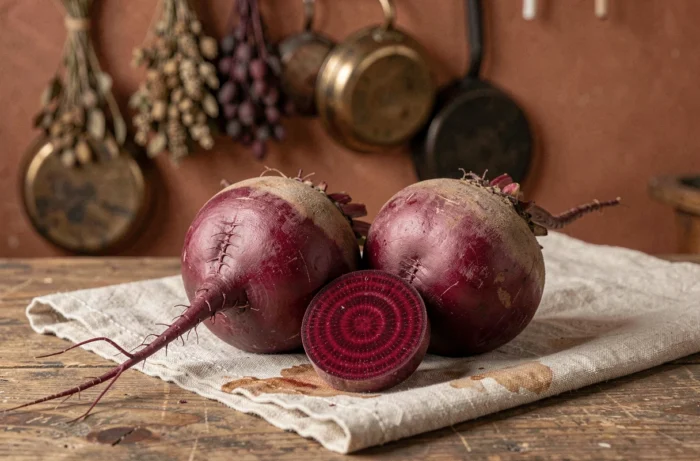
Beetroot divides opinions due to its very recognizable earthy flavor and its color that stains everything it touches. Vacuum-packed and precooked, it remains one of the most purchased vegetables in France, but a significant number of consumers find it too sweet or too “mineral.”
Raw and grated with a splash of balsamic vinegar, it offers a crunch and freshness that surprises. Yellow or chioggia (striped) varieties present a milder taste, but they remain rare in markets.
10. Cauliflower
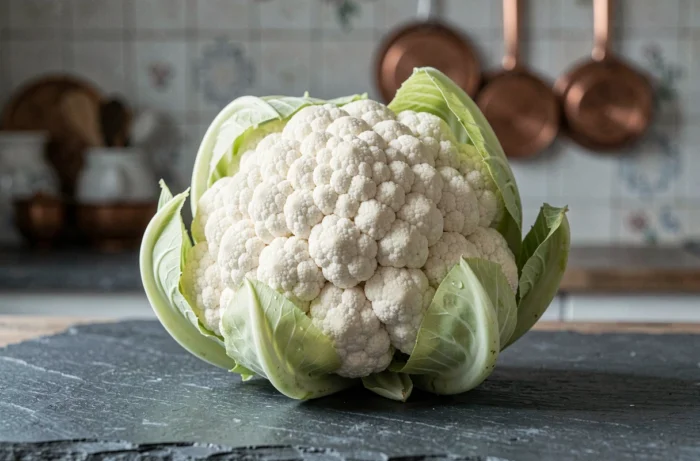
Cauliflower finishes this ranking because its rejection, although real, is declining thanks to new uses. Grated to replace rice or cut into roasted steaks, it finds a second wind among consumers looking for alternatives to starchy foods.
Its sulfurous smell during cooking remains a major obstacle. A high-temperature oven cooking, rather than boiling water, significantly reduces this issue. Cauliflower illustrates well how a change in cooking technique can shift a vegetable from rejection to acceptance.
These ten vegetables share a common point: their bad reputation often stems from inappropriate cooking or a persistent childhood memory. Taste evolves with age, and some vegetables hated at ten become favorites at forty. However, the overall low consumption of vegetables in France far exceeds the question of individual preferences.